What makes the vr6 engine a favorite among car enthusiasts
Wiki Article
All You Need to Know Concerning the VR6 Engine: Truths and Insights
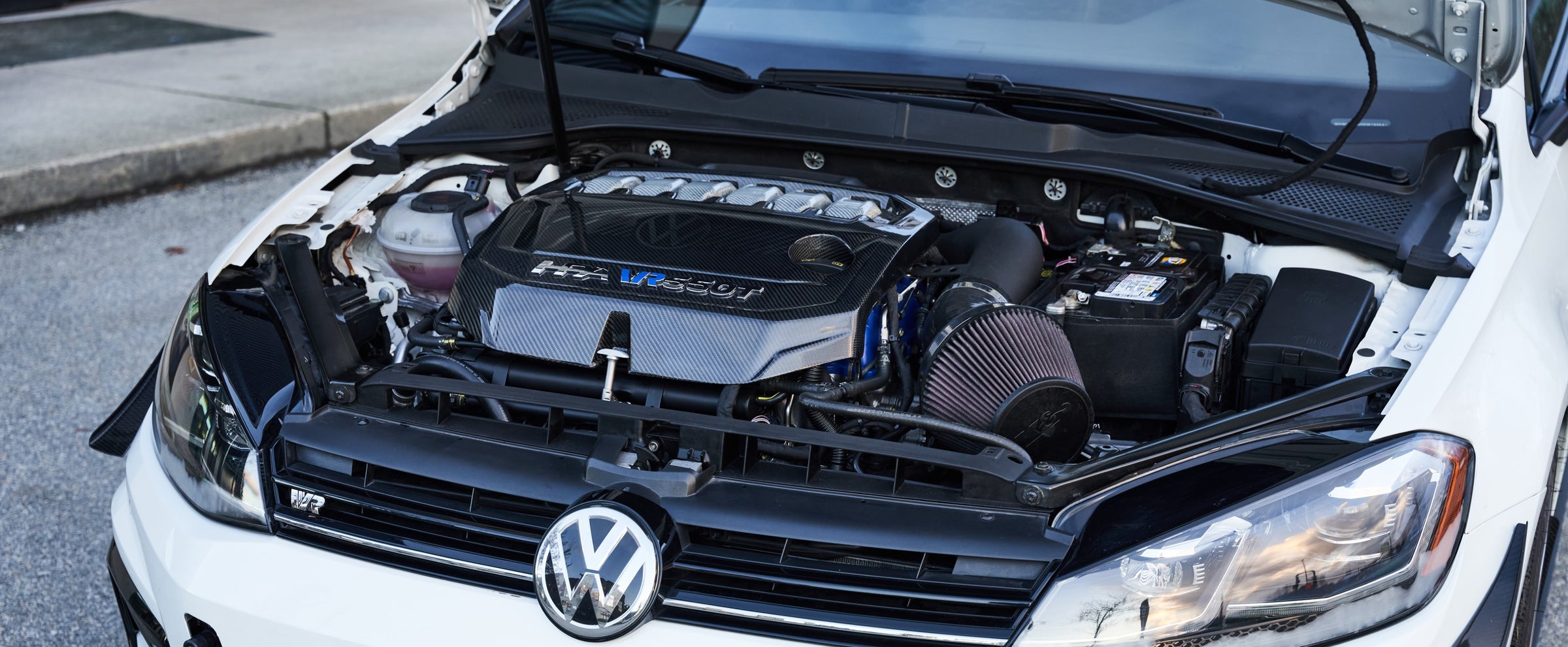
The VR6 engine stands for a notable development in automobile engineering. Its unique layout combines the characteristics of V6 and inline engines, providing benefits in power and performance. Introduced by Volkswagen, it has actually established a credibility in different prominent versions. As the industry shifts in the direction of electrification, the VR6 faces brand-new difficulties. What does the future hold for this famous engine? Discovering its engineering and efficiency may expose unexpected insights.The Design Behind the VR6 Engine
Although the VR6 engine might seem an intricate design, its design concepts are rooted in a blend of efficiency and performance. This distinct configuration integrates the characteristics of an inline and a v6 engine, enabling a compact design that fits in smaller engine bays. The VR6 features a narrow angle in between the cylinder financial institutions, normally around 15 degrees, which lowers general width while maintaining a smooth power shipment. Additionally, the engine uses a solitary cylinder head, streamlining production and maintenance. This design boosts thermal efficiency and decreases weight, adding to enhanced handling and responsiveness. With its equilibrium of power and compactness, the VR6 continues to be a notable success in vehicle engineering, appealing to both efficiency enthusiasts and daily drivers alike.Historic Relevance of the VR6
What makes the VR6 engine historically substantial in the auto world? Presented in the very early 1990s by Volkswagen, the VR6 redefined the small engine design by integrating the qualities of a V6 and an inline engine. This innovative style enabled a much shorter engine size, allowing its setup in smaller automobiles without sacrificing power. The VR6 rapidly got appeal for its special noise and smooth efficiency, becoming a trademark of numerous Volkswagen and Audi designs. Its capacity to supply a balance of power and effectiveness made it a preferable selection for lovers and manufacturers alike. In addition, the VR6's influence can be seen in the development of engine design, as it led the way for more portable and versatile powertrains in the automobile industry.Efficiency and Performance Comparisons
When contrasting efficiency and effectiveness, the VR6 engine attracts attention as a result of its unique style, which allows it to provide remarkable power output while maintaining commendable fuel economy (vr6). The engine's portable arrangement promotes an equilibrium between power and weight, enhancing handling and responsiveness. Generally, VR6 engines create a durable torque curve, adding to a lively driving experience. This characteristic is particularly beneficial in urban setups where velocity is important. In addition, developments in gas injection and tuning have boosted thermal effectiveness, causing reduced discharges compared to other engine styles. While turbocharged variations might offer higher performance, the VR6 takes care of to offer a gratifying mix of power and performance, making it an attractive choice for both fanatics and daily vehicle drivers alikePopular Cars Including the VR6
The VR6 engine has gained appeal in a range of automobiles, showcasing its convenience and performance abilities. Mostly connected with Volkswagen and Audi, this engine helpful resources arrangement has been included in versions such as the Volkswagen Golf, Jetta, and Passat, where it supplies a balance of power and efficiency. The Audi A3 and TT additionally utilize the VR6, giving a flashy driving experience. Furthermore, the Volkswagen Touareg and Porsche Cayenne have utilized this engine to boost their efficiency see this in the SUV section. Known for its portable layout, the VR6 permits producers to optimize area while delivering impressive horse power and torque. This flexibility has actually made the VR6 a favored choice amongst vehicle fanatics and manufacturers alike.Future of the VR6 Engine in the Automotive Market

Regularly Asked Questions
What Is the Common Lifespan of a VR6 Engine?
The normal life-span of a VR6 engine ranges from 150,000 to 200,000 miles, thinking routine maintenance and care. Variables such as driving practices, ecological conditions, and engine adjustments can substantially affect long life.Just how Does the VR6 Engine Noise Compared to Other Engines?
The VR6 engine produces a distinct growl, identified by its one-of-a-kind shooting order and setup. Compared to inline or V8 engines, it provides a smoother sound profile, frequently described as a deep, throaty grumble.Are There Any Type Of Usual Issues With the VR6 Engine?
What Kind of Oil Is Finest for a VR6 Engine?
The most effective oil for a VR6 engine is typically a top notch artificial oil with a thickness rating of 5W-30. This ensures peak efficiency and protection, particularly under varying temperature problems and driving styles. Regular changes are important.Can the VR6 Engine Be Swapped Into Other Cars?
Yes, the VR6 engine can be switched right into other vehicles, however compatibility depends upon elements like installing points, transmission options, and electrical wiring. Lovers commonly embark on these swaps to boost performance in numerous car versions.
Report this wiki page